
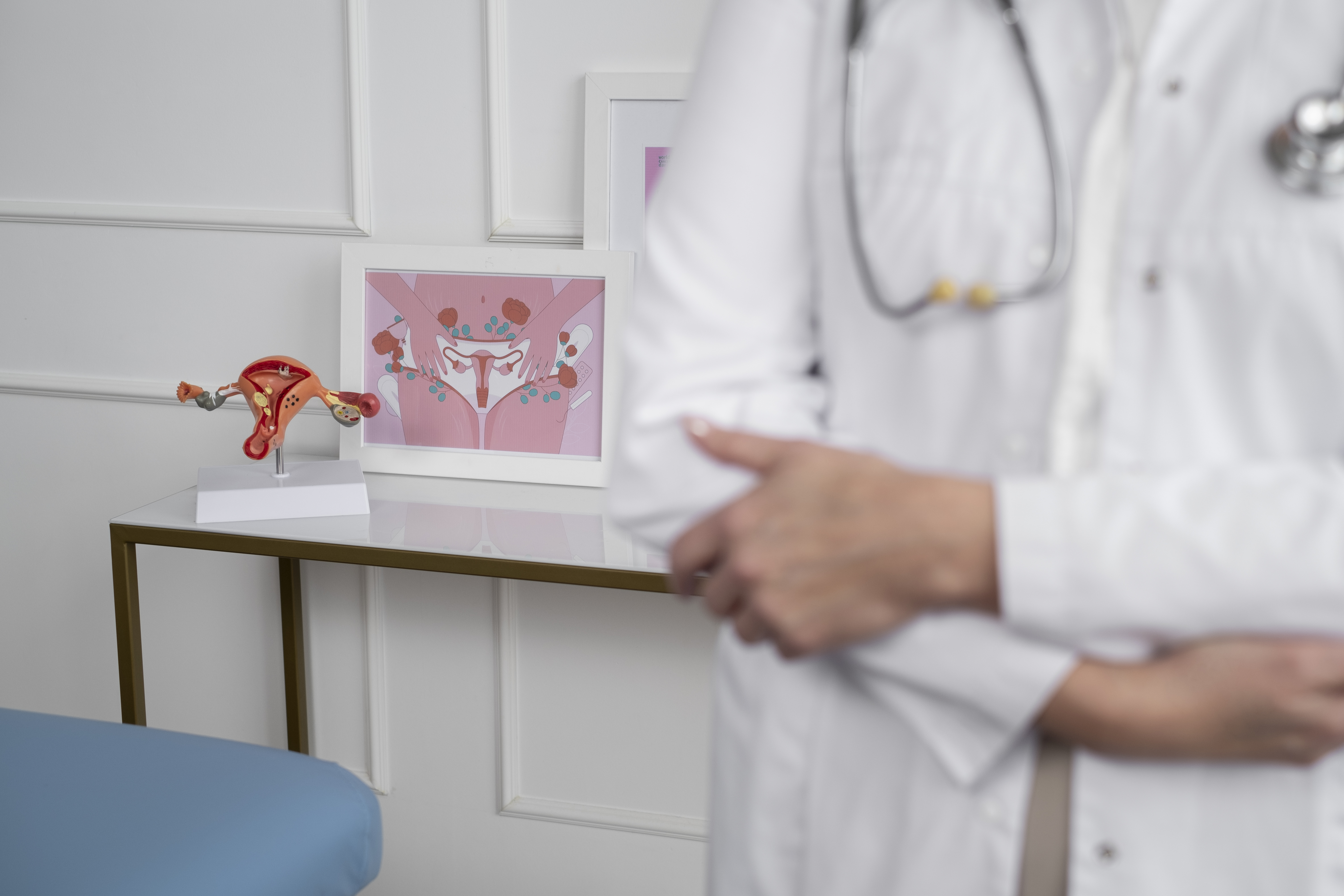
About Hysteroscopy
A hysteroscope is a thin, lighted instrument that allows a doctor to visualize the inside of the uterus. It is used to diagnose and treat problems affecting the uterine cavity, without the need for large cuts.
Why Is Hysteroscopy Recommended
Hysteroscopy can be used for:
- Investigating abnormal uterine bleeding
- Diagnosing issues with infertility
- Remove uterine fibroids or polyps
- Treatment of Asherman’s Syndrome (scarring in the uterus)
- Evaluation of repeated miscarriages
Is Hysteroscopy Safe?
Hysteroscopy is generally considered safe. It is less invasive than traditional surgery, so patients feel less pain and scarring. They also recover faster. Minor bleeding or infection may occur.
How does the procedure work?
During hysteroscopy, the doctor inserts the thin hysteroscope into the uterus through the vagina. To improve visibility, a special solution can be used to expand the uterus. Small instruments may be used during the procedure, depending on their purpose.
Recovery after Hysteroscopy
Recovery is typically quick. The majority of patients can resume their normal activities within 1-2 days. For a few weeks, mild cramping and spotting can occur. However, serious complications are rare.
Hysteroscopy Benefits
- Diagnose and treat in one procedure
- The procedure is minimally invasive, with fewer incisions and/or no external cuts
- Recovery time is short, and discomfort is minimal
- You can improve fertility by treating uterine abnormalities
When Should You Consult A Gynecologist
Consult a gynecologist if you are experiencing abnormal uterine blood flow, infertility or recurrent miscarriages. A hysteroscopy will help to identify the problem and provide effective treatment.
Frequently Asked Questions
Why is hysteroscopy done?
It is a minimally invasive procedure that allows a doctor to examine the uterus. This procedure is used to diagnose and treat problems such as abnormal bleeding or fibroids, polyps, scarring, infertility, etc.
Hysteroscopy can be considered a safe procedure?
It is less invasive and therefore causes less pain. There are also fewer complications.
The majority of patients will recover in 1-2 days?
Some patients may experience mild cramping or spotting, but they can resume normal activities quickly.
Can hysteroscopy improve fertility?
Yes. Hysteroscopy helps improve fertility by identifying problems in the uterus, such as fibroids, polyps or scar tissue that may interfere with conception.