
A high-risk pregnancy requires advanced medical care, constant monitoring and expert decision-making from a qualified gynecologist. Both mother and child may be at increased risk of health problems during such pregnancies. Structured care is therefore essential, from early pregnancy until delivery. Many women searching for the best Lahore gynaecologist need special care due to conditions …


A high-risk pregnancy requires advanced medical care, constant monitoring and expert decision-making from a qualified gynecologist. Both mother and child may be at increased risk of health problems during such pregnancies. Structured care is therefore essential, from early pregnancy until delivery.
Many women searching for the best Lahore gynaecologist need special care due to conditions like diabetes during pregnancy, hypertension or multiple pregnancies. In order to manage these cases in a safe manner, a skilled gynecologist is essential.
One such trusted specialist is Dr Sara Munir, who provides structured and personalized care plans for high-risk obstetric patients.
What Are High-Risk Obstetric Cases?
A high-risk pregnancy refers to any pregnancy where the mother, baby, or both have a higher chance of complications before, during, or after delivery.
A gynaecologist classifies a pregnancy as high-risk based on medical history, current health conditions, and pregnancy development.
Common high-risk conditions include:
- Maternal age below 18 or above 35
- Diabetes during pregnancy
- High blood pressure (preeclampsia)
- Previous miscarriage or pregnancy loss
- Multiple pregnancy (twins or more)
- Thyroid disorders
- Kidney or heart disease
- Fetal growth problems
In such cases, close supervision by an experienced gynaecologist is essential.

Importance of a Gynaecologist in High-Risk Pregnancy
The role of a gynaecologist is crucial in identifying and preventing risks. High-risk pregnancies require more frequent monitoring and specialized testing than normal pregnancy.
A gynaecologist is responsible for:
- Early risk detection
- Personalized care planning
- Monitoring fetal growth
- Managing maternal health conditions
- Preparing safe delivery plans
- Handling emergencies
Many patients are seeking the best gynecologist to manage high-risk pregnancies.
High-Risk Pregnancy Care Plan by a Gynaecologist
For managing high-risk pregnancy, a structured care plan is crucial. A gynaecologist who is skilled will follow a step-bystep monitoring method.
1. Early Pregnancy Assessment (Weeks 1–12)
First trimester is critical for identifying risk. Early visits are a time for a gynecologist to perform a thorough evaluation.
Key Actions:
- Pregnancy confirmation
- Medical history review
- Blood tests and hormone levels
- Early ultrasound scan
- Risk factor identification
At this stage, a gynaecologist determines whether the pregnancy needs special monitoring.
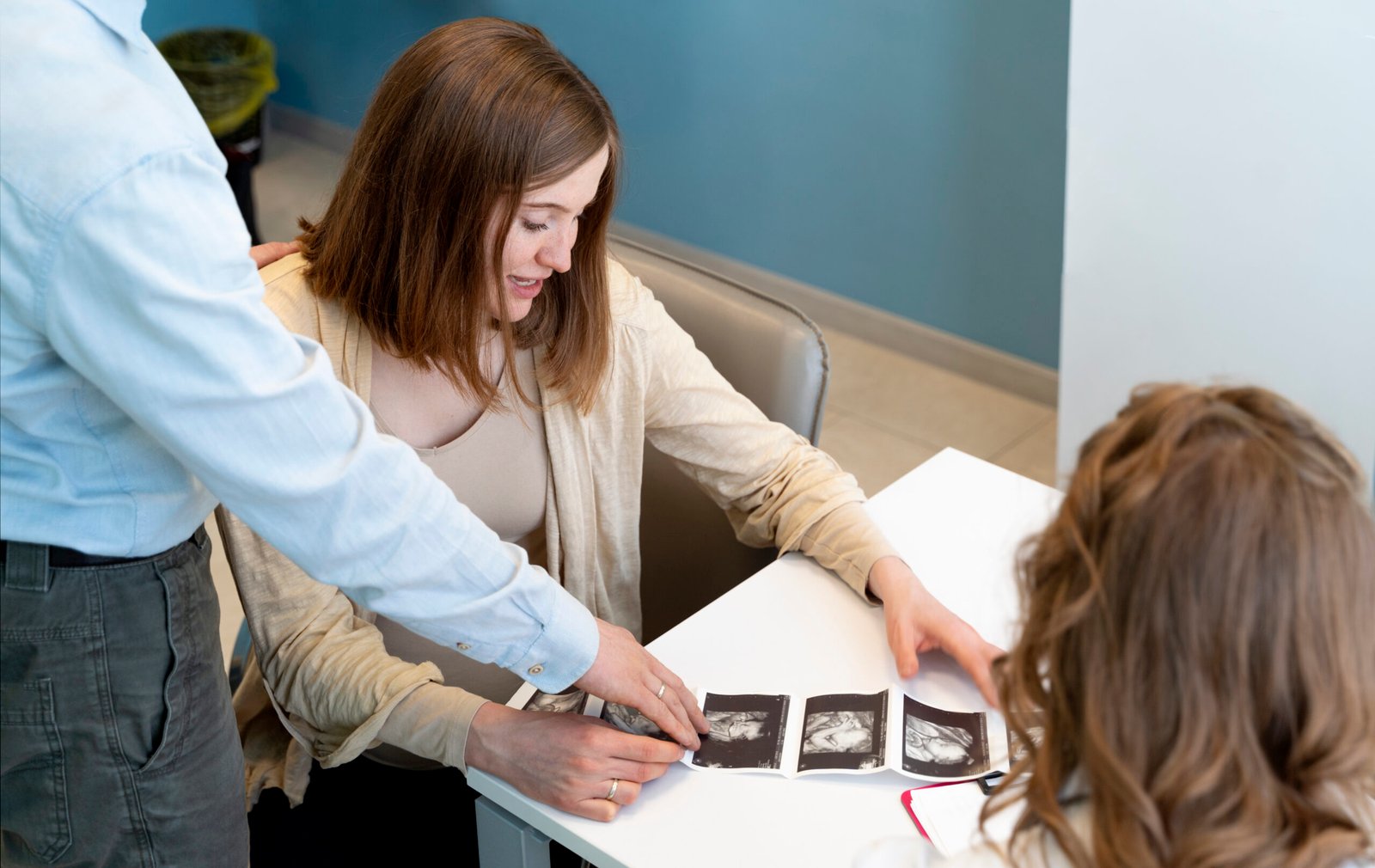
2. Mid-Pregnancy Monitoring (Weeks 13–28)
During the second trimester, fetal development becomes more visible. A gynaecologist focuses on both maternal and fetal health.
Key Monitoring Includes:
- Detailed anomaly scan
- Blood pressure tracking
- Diabetes screening
- Growth assessment of the baby
- Nutritional guidance
Women often consult the best gynaecologist in Lahore during this stage for continuous monitoring and reassurance.
3. Late Pregnancy Management (Weeks 29–40)
Third trimester pregnancy is the most delicate phase. The frequency of visits to a gynaecologist is increased.
Key Care Includes:
- Weekly fetal monitoring
- Position check of the baby
- Amniotic fluid assessment
- Heart rate monitoring
- Delivery planning
A gynaecologist ensures that both mother and baby are ready for safe delivery.
Common High-Risk Obstetric Conditions
1. Gestational Diabetes
The condition can affect blood sugar levels in pregnancy. A gynecologist will monitor glucose levels and may recommend diet or medication.
2. Pregnancy-Induced Hypertension
High blood pressure during pregnancy can be dangerous. A gynaecologist closely monitors blood pressure to prevent complications like preeclampsia.
3. Multiple Pregnancy
Triplets and twins can increase the risk of pregnancy. A gynecologist will perform frequent scans to monitor the development of the baby.
4. Previous Pregnancy Loss
Women with a history of miscarriage require closer follow-up. A gynaecologist designs a preventive care plan.
5. Fetal Growth Restriction
If the baby is not growing properly, a gynaecologist provides medical support and continuous monitoring.
Warning Signs in High-Risk Pregnancy
Immediate consultation with a gynaecologist is necessary if any of the following occur:
- Severe abdominal pain
- Vaginal bleeding
- Sudden swelling
- Reduced fetal movement
- Severe headache
- High blood pressure symptoms
Early intervention by a gynaecologist can prevent complications.
Diagnostic Tests Used by a Gynaecologist
A gynaecologist uses advanced tests to monitor high-risk pregnancies:
- Ultrasound scans
- Blood sugar tests
- Urine analysis
- Doppler studies
- Fetal heart monitoring
- Hormonal tests
These tests help the gynaecologist track both maternal and fetal health.
Delivery Planning in High-Risk Cases
Delivery planning is very important in high-risk pregnancies. A gynaecologist evaluates whether a normal delivery or a C-section is safer.
Factors Considered:
- Baby position
- Maternal health condition
- Previous pregnancy history
- Blood pressure and sugar levels
A gynaecologist ensures that delivery happens in a safe and controlled environment.

Role of the Best Gynaecologist in Lahore for High-Risk Pregnancy
Finding the best gynaecologist in Lahore is important for managing complex pregnancies. A skilled specialist provides:
- Continuous monitoring
- Emergency readiness
- Personalized treatment plans
- Emotional support for patients
- Safe delivery strategies
Many patients trust experienced specialists like Dr Sara Munir for structured high-risk pregnancy care.
Dr Sara Munir’s High-Risk Pregnancy Care Approach
Dr Sara Munir offers comprehensive and structured care to high-risk cases of obstetrics.
Her approach includes:
1. Individual Risk Evaluation
Each patient is assessed based on medical history and current pregnancy condition.
2. Continuous Monitoring
Frequent follow-ups ensure early detection of complications.
3. Personalized Treatment Plans
Every pregnancy is managed with a tailored medical plan.
4. Safe Delivery Strategy
Planning delivery is done in advance for maximum safety.
Her structured approach makes her a trusted gynaecologist
Emotional Support in High-Risk Pregnancy
Stressful high-risk pregnancys can be difficult. The gynecologist can also provide emotional support and counseling.
Support includes:
- Patient education
- Regular communication
- Anxiety management
- Family counseling
This holistic care improves pregnancy outcomes significantly.
Lifestyle Recommendations by a Gynaecologist
A gynaecologist may advise lifestyle changes such as:
- Healthy balanced diet
- Light physical activity
- Stress reduction techniques
- Proper sleep routine
- Regular hydration
These changes support safe pregnancy progression.
Benefits of Specialized Gynaecologist Care
Choosing an experienced gynaecologist for a high-risk pregnancy provides:
- Early risk detection
- Reduced complications
- Better fetal growth monitoring
- Safer delivery outcomes
- Increased maternal confidence
This is why patients often seek the best gynaecologist for pregnancy care.
Frequently Asked Questions (FAQs)
1. What is a high-risk pregnancy?
A high-risk pregnancy has increased chances of complications for the mother or the baby.
2. Who manages high-risk obstetric cases?
An experienced gynaecologist manages these cases.
3. When should I see a gynaecologist for a high-risk pregnancy?
As early as possible after pregnancy confirmation.
4. Can a high-risk pregnancy have a normal delivery?
Yes, depending on the condition, a gynaecologist may allow normal delivery.
5. What tests are required in a high-risk pregnancy?
Ultrasound, blood tests, and fetal monitoring are commonly used.
6. Who is the best gynaecologist in Lahore for high-risk pregnancy?
Many patients consult Dr Sara Munir for structured care.
Conclusion
Medical supervision and careful monitoring are required in high-risk cases. Early diagnosis, regular monitoring and personalized care plans are all ways that a qualified gynecologist can ensure safety.
For patients seeking advanced pregnancy care in Lahore, Dr Sara Munir offers structured management plans designed to support safe and healthy pregnancy outcomes.
Choosing the right gynaecologist is the most important step in ensuring a safe journey for both mother and baby.