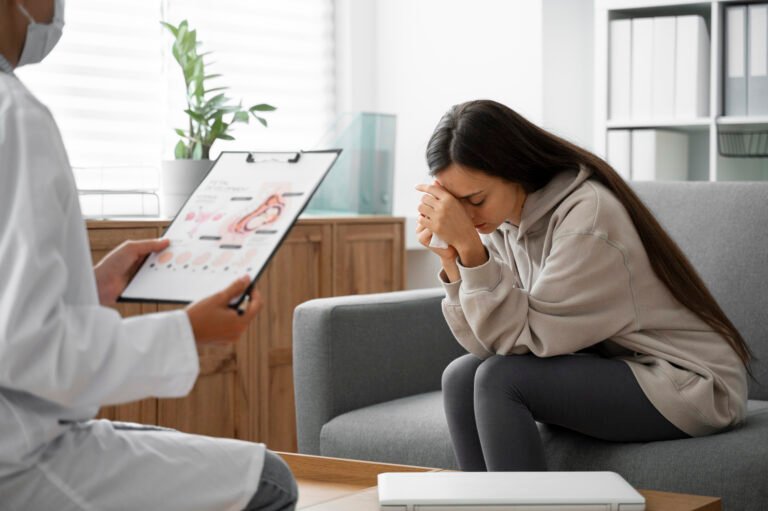
A Cesarean is a major surgery that requires medical supervision and proper planning for recovery. Most women are focused on the day of delivery. The healing process following surgery is also important for the long-term health of mothers. An experienced gynaecologist can help you create a recovery plan that will reduce complications, promote wound healing …


A Cesarean is a major surgery that requires medical supervision and proper planning for recovery. Most women are focused on the day of delivery. The healing process following surgery is also important for the long-term health of mothers.
An experienced gynaecologist can help you create a recovery plan that will reduce complications, promote wound healing and aid in postpartum recovery. Women searching online for “C-section recovery timeline” often want clear and realistic instructions from a qualified obstetrician-gynecologist rather than general advice.
Recovery after a C-section usually takes several weeks. Every stage requires different precautions related to mobility, pain management, incision care, nutrition, and emotional well-being.
Understanding Recovery After a C-Section
Unlike vaginal birth, a C-section involves surgical incisions through the abdomen and uterus. This means the body needs additional time for tissue healing and internal recovery.
Most women recover gradually over 6 to 8 weeks. However, recovery speed depends on:
- Surgical complications
- Infection control
- Maternal health conditions
- Nutrition
- Rest quality
- Mobility after surgery
- Medical follow-up care
An experienced gynaecologist monitors all these factors closely to reduce postpartum risks.
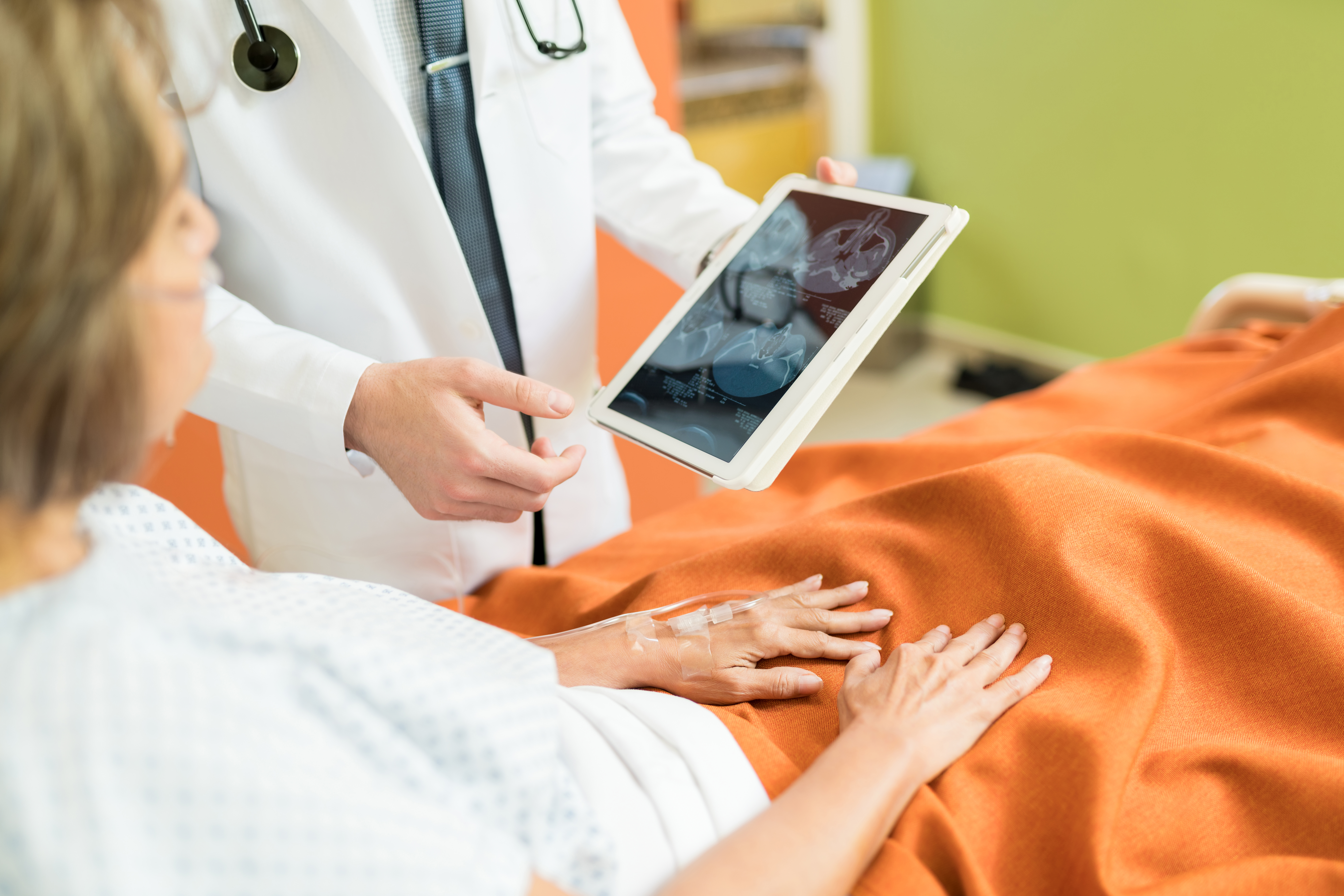
First 24 Hours After C-Section Surgery
The first day after surgery is focused on stabilization and early recovery monitoring.
Pain Management and Movement
Patients usually experience:
- Abdominal soreness
- Incision pain
- Fatigue
- Mild swelling
- Difficulty standing upright
The majority of hospitals recommend that you move around within 12-24 hours following surgery. This is because it reduces the chance of blood clots and increases circulation.
An experienced obstetrician-gynecologist carefully manages pain medication to allow safe movement without excessive discomfort.
Monitoring Bleeding and Vital Signs
During the first 24 hours, doctors monitor:
- Blood pressure
- Bleeding levels
- Body temperature
- Urine output
- Uterine contraction
Heavy bleeding or fever may indicate complications that require immediate medical attention.
Week 1 Recovery Instructions from a Gynaecologist
The first week after discharge is often the most physically challenging phase of recovery.
Walking and Mobility Guidelines
Most gynaecologists’ instructions include:
- Walking several times slowly daily
- Avoiding stair climbing repeatedly
- Not lifting heavy objects
- Supporting the abdomen while coughing
- Avoiding sudden body movements
Short walks improve circulation and reduce postoperative problems.
Nutrition and Hydration After Delivery
Post-surgical recovery needs increased nutritional support. Doctors usually recommend:
- High-protein foods
- Iron-rich meals
- Adequate hydration
- Fiber intake to prevent constipation
- Calcium and vitamin supplementation
Constipation is common after surgery because of pain medications and reduced movement.
Weeks 2 to 4: Healing Progress After C-Section
By the second and third weeks, many women notice a gradual improvement in mobility and pain levels.
Incision Care and Infection Prevention
Incision care is one of the most important recovery steps. Women should watch for:
- Redness
- Swelling
- Foul-smelling discharge
- Increased pain
- Fever
A trusted obstetrician-gynecologist usually schedules follow-up visits to evaluate incision healing and overall postpartum recovery.
The patient must not apply any creams, oils, or lotions that are not approved to the surgical area.
Emotional Recovery and Sleep Management
Postpartum recovery is not only physical. Hormonal changes, sleep deprivation, and anxiety can affect mental health during healing.
Women may experience difficulties in recovering from C-section surgery:
- Mood changes
- Emotional exhaustion
- Difficulty sleeping
- Stress related to newborn care
Regular medical follow-up and family support are important during this phase.
Weeks 4 to 6: Returning to Daily Activities
Most women begin regaining strength during weeks four to six. However, complete internal healing may continue.
A professional gynaecologist may allow a gradual return to:
- Light household tasks
- Driving
- Gentle physical activity
- Office work in some cases
Heavy exercise and lifting should still be avoided unless approved medically.
Patients should also discuss future pregnancy spacing and contraception planning during postpartum consultations.
Warning Signs You Should Not Ignore
Women should immediately contact a gynaecologist if they experience:
- High fever
- Severe abdominal pain
- Heavy bleeding
- Difficulty breathing
- Chest pain
- Leg swelling
- Incision discharge
- Foul odor from the wound
- Persistent vomiting
Early treatment prevents serious complications after surgery.
Dr. Sara Munir | Experienced Gynaecologist in Lahore
Women searching for an experienced gynaecologist in Lahore for pregnancy care and C-section management often prefer doctors with advanced obstetric expertise and surgical experience.
Dr. Sara Munir is a gynecologist and obstetrician who practices at Omar Hospital in Johar Town. She provides comprehensive care to women during pregnancy, birth, and recovery after delivery.
Qualifications and Expertise
Dr. Sara Munir holds:
- MBBS
- FCPS (Gynaecology and Obstetrics)
- BCRM (Basic Course in Reproductive Medicine)
Her expertise includes:
- High-risk obstetric cases
- Pregnancy care
- Recurrent miscarriages
- Infertility treatment
- Endometriosis treatment
- Menstrual issues
- Contraception management
Her experience in managing complex pregnancy cases allows patients to receive personalized recovery planning after delivery.
Services Available at Omar Hospital, Johar Town
Services provided by Dr. Sara Munir include:
- C-Section
- Painless vaginal deliveries
- Laparoscopy
- Hysteroscopy
- IUI treatment
- Vaginal tightening procedures
- Contraception devices
This combination of surgical and maternity services supports complete women’s healthcare under one practice.
How an Obstetrician-Gynecologist Supports Recovery
An experienced obstetrician-gynecologist does more than perform surgery. It is important to supervise postpartum for:
- Wound healing assessment
- Pain management
- Infection prevention
- Breastfeeding guidance
- Emotional health monitoring
- Family planning advice
Women who have just recovered from surgery can benefit from structured postoperative care, rather than relying on online general information.
FAQs
How long does C-section recovery usually take?
Most women will recover in 6 to 8 weeks. Internal healing can take several months.
When can I walk after a C-section?
Most doctors encourage light walking within 24 hours after surgery to improve blood circulation.
What foods help C-section recovery?
High-protein meals, iron-rich foods, hydration, and fiber support healing and reduce constipation.
When should I contact a gynaecologist after surgery?
You should seek medical attention immediately if you develop fever, heavy bleeding, severe pain, or wound discharge.
Can I lift my baby after a C-section?
Yes. However, avoid lifting anything heavier than your baby during the early recovery phase.
Why is follow-up with an obstetrician-gynecologist important?
Follow-up appointments are important to monitor healing, to prevent infection and to manage postpartum complications as early as possible.
Conclusion
To recover from a C-section, you need to have the right medical guidance and follow a structured postpartum program. Each stage of recovery is critical to protecting maternal health and preventing complications.
Choosing an experienced gynaecologist ensures better monitoring, safer healing, and personalized support throughout the recovery journey.
Dr. Sara Munir, at Omar Hospital, Johar Town, provides women with professional postpartum care and pregnancy treatment in Lahore. This includes C-section management and pregnancy care.