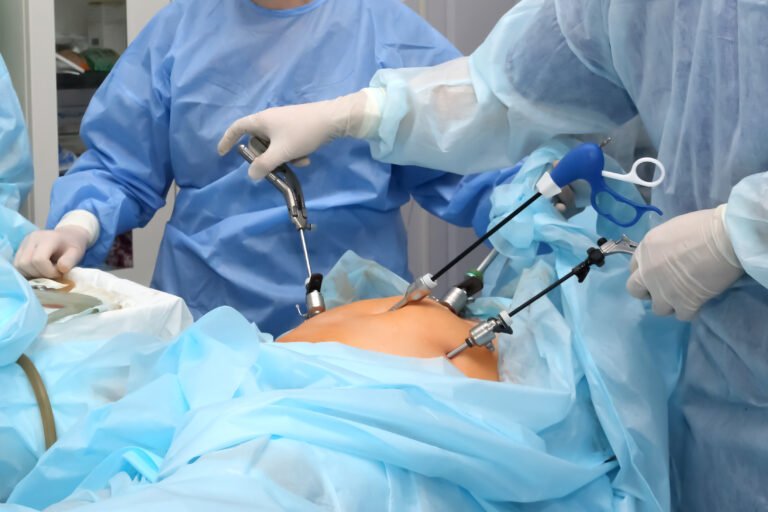
A miscarriage can be a difficult experience both physically and emotionally. Recovery can look different for every woman. Some women recover quickly while others need more time and medical support. After a miscarriage, follow-up care is important. A gynaecologist can check your physical recovery, explain what symptoms to expect, identify possible complications, and discuss future …

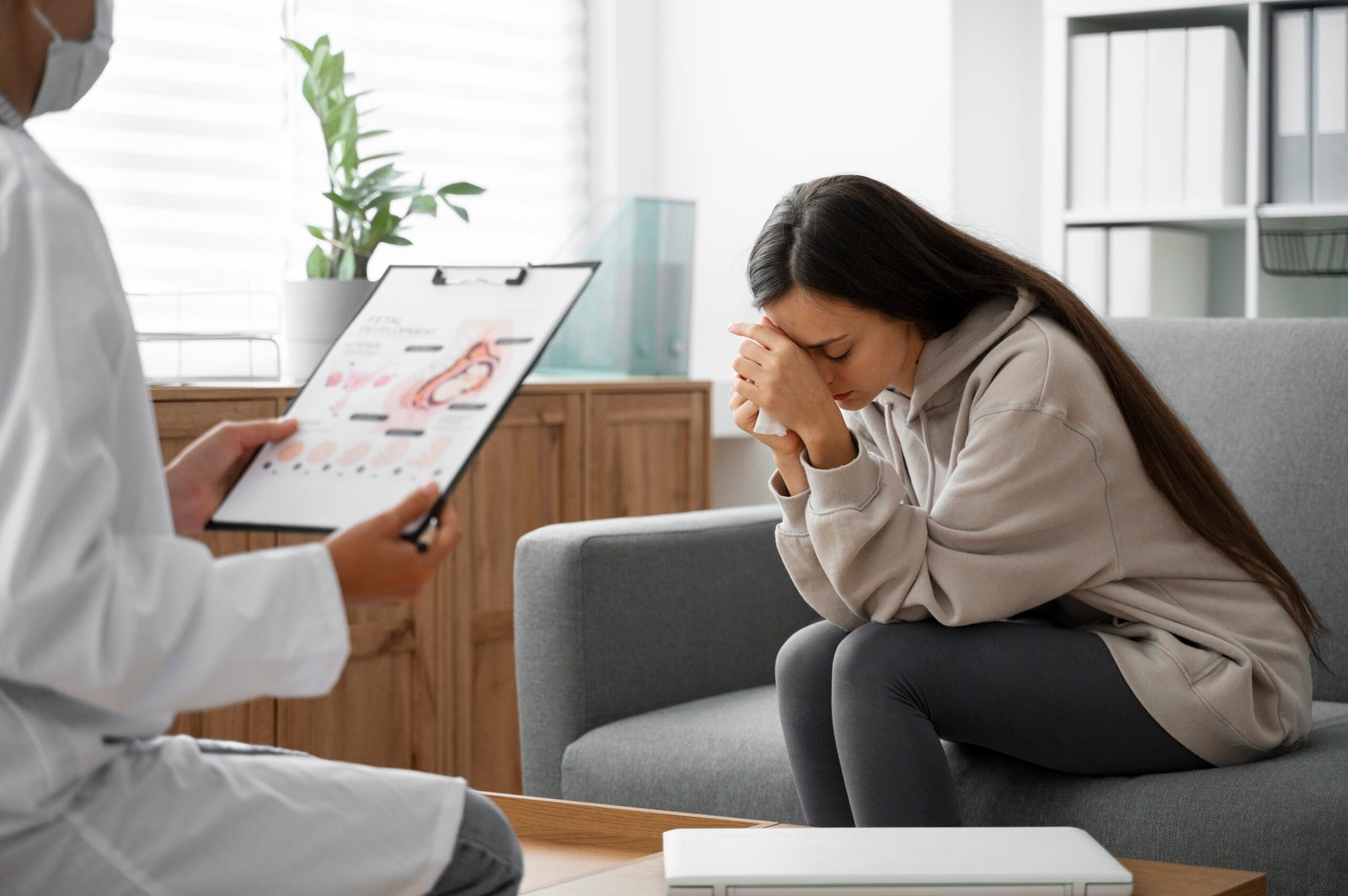
A miscarriage can be a difficult experience both physically and emotionally. Recovery can look different for every woman. Some women recover quickly while others need more time and medical support.
After a miscarriage, follow-up care is important. A gynaecologist can check your physical recovery, explain what symptoms to expect, identify possible complications, and discuss future pregnancy planning when you are ready.
The type of follow-up care depends on how the miscarriage was managed. This may include expectant management, medication, or a surgical procedure.
What Happens After a Miscarriage?
After a miscarriage, some vaginal bleeding and abdominal cramping are common. The amount and duration of bleeding can vary based on how far the pregnancy had progressed and how the miscarriage was managed.
Bleeding should generally become lighter over time. Your healthcare professional can explain what is expected in your specific situation.
A gynaecologist may recommend a follow-up appointment to assess your recovery and discuss any ongoing symptoms.
Physical Recovery After Miscarriage
Physical recovery may take days or weeks. Hormonal changes can also continue after the pregnancy ends.
You may experience:
- Vaginal bleeding
- Mild abdominal cramps
- Tiredness
- Breast tenderness
- Emotional changes
- Temporary changes in your menstrual cycle
Rest when you need it and follow the medical instructions provided by your healthcare team.
Managing Pain
Mild cramping can occur after miscarriage. Your doctor may recommend appropriate pain relief based on your medical history.
If pain becomes severe or continues to worsen, contact your gynaecologist for assessment.
How Long Does Bleeding Last After Miscarriage?
Bleeding can continue for a period after a miscarriage. It should generally become lighter with time.
Heavy bleeding should not be ignored. Contact your healthcare provider if bleeding becomes very heavy or you feel weak, dizzy, or faint.
Your gynaecologist can advise you about what amount and duration of bleeding is expected based on your treatment.
Warning Signs After Miscarriage
Most women recover without serious complications. However, some symptoms require prompt medical attention.
Seek medical care if you experience:
- Very heavy vaginal bleeding
- Severe or worsening abdominal pain
- Fever or chills
- Foul-smelling vaginal discharge
- Dizziness or fainting
- Feeling very weak or unwell
- Persistent pregnancy symptoms
These symptoms may indicate infection, significant blood loss, or pregnancy tissue remaining in the uterus.
If symptoms are severe, seek emergency medical care rather than waiting for a routine appointment.
Why Follow-Up With a Gynaecologist Matters
A follow-up consultation can help confirm that your body is recovering as expected.
Your gynaecologist may discuss:
- Your bleeding pattern
- Pain and other symptoms
- Whether further examination is needed
- Whether pregnancy tissue remains
- Your menstrual cycle
- Contraception
- Future pregnancy plans
- Emotional wellbeing
The need for further tests depends on your symptoms and the type of miscarriage management you received.
Miscarriage Management and Follow-Up
There are three common approaches to managing an early miscarriage.
Expectant Management
This approach allows the body to complete the miscarriage naturally.
Your gynaecologist may provide guidance about bleeding, pain, warning signs, and when follow-up is needed.
Medical Management
Medication may be used to help the uterus pass pregnancy tissue.
Your healthcare team will explain what bleeding and cramping to expect and when you should seek medical attention.
Surgical Management
A surgical procedure may be recommended in certain situations. This can remove pregnancy tissue from the uterus.
Follow-up after the procedure helps your doctor assess recovery and address any concerns.

When Does Your Period Return?
Your menstrual cycle may take some time to return to its usual pattern after miscarriage.
The timing can vary between women. Hormonal levels also need time to return to their usual state.
If your periods do not return as expected or remain irregular, speak with your gynaecologist.
Can You Get Pregnant After a Miscarriage?
Yes. Ovulation can return before the next menstrual period. This means pregnancy can occur soon after a miscarriage.
The timing of another pregnancy should be discussed with your healthcare professional based on your physical recovery, emotional readiness, and individual medical situation.
If you do not want to become pregnant immediately, discuss contraception with your gynaecologist.
Planning Another Pregnancy
Many women want to know when they can try to conceive again after miscarriage.
For many women with an uncomplicated early miscarriage, there is no medical need to delay pregnancy for a long period. However, the right timing can depend on the cause of the miscarriage, treatment received, medical history, and emotional readiness.
Before trying again, your gynaecologist may review:
- Your previous pregnancy
- Medical conditions
- Medications
- Previous miscarriages
- Menstrual cycle
- General health
- Folic acid use
- Future pregnancy plans
Folic Acid Before Pregnancy
If you are planning another pregnancy, ask your doctor about folic acid.
Folic acid before conception and during early pregnancy helps reduce the risk of neural tube defects.
Your gynaecologist can recommend the appropriate dose based on your health and medical history.
Emotional Recovery After Miscarriage
Physical recovery is only one part of miscarriage care.
Grief can affect each woman differently. You may feel sadness, anxiety, anger, guilt, or a mixture of emotions.
There is no fixed timeline for emotional recovery.
Talking to your partner, family, trusted friends, doctor, or a mental health professional may help.
If you feel unable to cope with daily activities or experience persistent feelings of hopelessness, seek professional support.

You Are Not Alone
Many women experience miscarriage. In most cases, an early miscarriage is not caused by something the woman did.
It is important not to blame yourself.
If you have concerns about why a miscarriage occurred, discuss them with your gynaecologist.
When Is Miscarriage Testing Recommended?
A single miscarriage does not always require extensive testing.
Testing may be considered when miscarriages happen repeatedly or when there are other medical concerns.
Depending on your history, a gynaecologist may discuss evaluation for:
- Hormonal conditions
- Thyroid problems
- Diabetes
- Uterine abnormalities
- Genetic factors
- Blood clotting or immune-related conditions in selected cases
The exact tests should be based on your personal medical history.
Recurrent Miscarriage
Experiencing more than one miscarriage can be emotionally and physically difficult.
If you have experienced recurrent pregnancy loss, consult a qualified gynaecologist for a detailed assessment.
Your doctor can review previous pregnancies and determine whether further testing or specialist care is appropriate.
Lifestyle After Miscarriage
During recovery, focus on your overall health.
Helpful steps may include:
- Get enough rest
- Eat balanced meals
- Drink enough fluids
- Avoid smoking
- Avoid alcohol if you may become pregnant
- Take prescribed medicines as directed
- Attend follow-up appointments
- Seek emotional support when needed
Ask your doctor when it is safe to return to exercise and other normal activities.
Sex After Miscarriage
Your doctor may advise avoiding intercourse for a short period after miscarriage because the cervix may remain open and there can be a risk of infection.
The appropriate timing can depend on how the miscarriage was managed and whether bleeding or other symptoms continue.
Ask your gynaecologist when it is safe for you to resume sexual activity.
How a Gynaecologist Supports Recovery
A gynaecologist can support you throughout the recovery process.
Your care may include:
Physical Assessment
Your doctor can assess bleeding, pain, infection symptoms, and other concerns.
Follow-Up Testing
Additional testing may be recommended if symptoms suggest that further assessment is needed.
Future Pregnancy Planning
Your doctor can help you prepare for another pregnancy when you are ready.
Emotional Support
Your concerns and questions matter. A compassionate healthcare professional can help you understand what happened and what to expect next.
Choosing the Best Gynaecologist in Lahore After Miscarriage
Choosing a qualified gynaecologist is important when you need miscarriage follow-up or pregnancy planning.
When searching for the best gynaecologist in Lahore, consider:
- Relevant qualifications
- Clinical experience
- Experience in obstetrics and gynecology
- Hospital affiliation
- Availability for follow-up
- Clear communication
- Personalized treatment
- Access to diagnostic and emergency services
The right doctor should make you feel comfortable asking questions about your recovery and future pregnancy.

Dr Sara Munir’s Approach to Women’s Healthcare
Dr Sara Munir is an experienced gynaecologist providing women’s healthcare in Lahore.
With more than 16 years of clinical experience, she provides personalized consultations for pregnancy care, infertility, miscarriage concerns, reproductive health, and gynecological conditions.
Her approach focuses on understanding each patient’s medical history and providing care based on individual needs.
Women searching for an experienced gynaecologist in Lahore can learn more about Dr Sara Munir and her services through her official website:
Dr Sara Munir – Official Website
Frequently Asked Questions
How long does it take to recover after a miscarriage?
Physical recovery varies. Bleeding and cramps usually improve over time. Emotional recovery can take longer and differs from woman to woman.
When should I see a gynaecologist after a miscarriage?
Follow-up depends on how the miscarriage was managed and your symptoms. You should contact a gynaecologist if you have heavy bleeding, severe pain, fever, unusual discharge, or concerns about your recovery.
Can I get pregnant soon after a miscarriage?
Yes. Ovulation can return before your next period. Discuss future pregnancy plans with your gynaecologist based on your individual situation.
Is one miscarriage a sign of infertility?
Usually not. Many women who experience one miscarriage go on to have a healthy pregnancy. If miscarriages happen repeatedly, further evaluation may be recommended.
Can miscarriage affect future pregnancy?
Most women who experience an early miscarriage can have a successful future pregnancy. Your individual outlook depends on your health and pregnancy history.
When will my period return after miscarriage?
The menstrual cycle can take some time to return. If your period does not return as expected or remains irregular, speak with a gynaecologist.
Should I have tests after one miscarriage?
Extensive testing is not usually required after a single early miscarriage. Your doctor may recommend testing based on your medical history and circumstances.
What is the best gynaecologist in Lahore for miscarriage care?
When choosing the best gynaecologist, look for appropriate qualifications, clinical experience, hospital support, and a patient-focused approach. Dr Sara Munir provides personalized women’s healthcare in Lahore.
Conclusion
Recovery after miscarriage involves both physical and emotional care. Bleeding, cramps, tiredness, and emotional changes can occur during the recovery period. However, heavy bleeding, severe pain, fever, foul-smelling discharge, dizziness, or feeling very unwell require prompt medical assessment.
A gynaecologist can help monitor your recovery, address complications, discuss contraception, and guide you when you are ready to plan another pregnancy.
If you have experienced a miscarriage and need professional guidance, Dr Sara Munir provides personalized women’s healthcare in Lahore. With more than 16 years of clinical experience, she supports women through pregnancy, reproductive health, and gynecological care.
Medical Disclaimer: This article is for general educational purposes and does not replace individual medical advice. Your recovery plan should be based on your symptoms, medical history, and the type of miscarriage treatment you received.