
Infertility can have many causes. Some problems can be identified through blood tests, ultrasound, semen analysis, or tests that assess the fallopian tubes. In selected cases, a gynaecologist may recommend laparoscopy to look directly at the reproductive organs and identify conditions that may affect fertility. Laparoscopy is a minimally invasive surgical procedure. It uses a …

Infertility can have many causes. Some problems can be identified through blood tests, ultrasound, semen analysis, or tests that assess the fallopian tubes. In selected cases, a gynaecologist may recommend laparoscopy to look directly at the reproductive organs and identify conditions that may affect fertility.
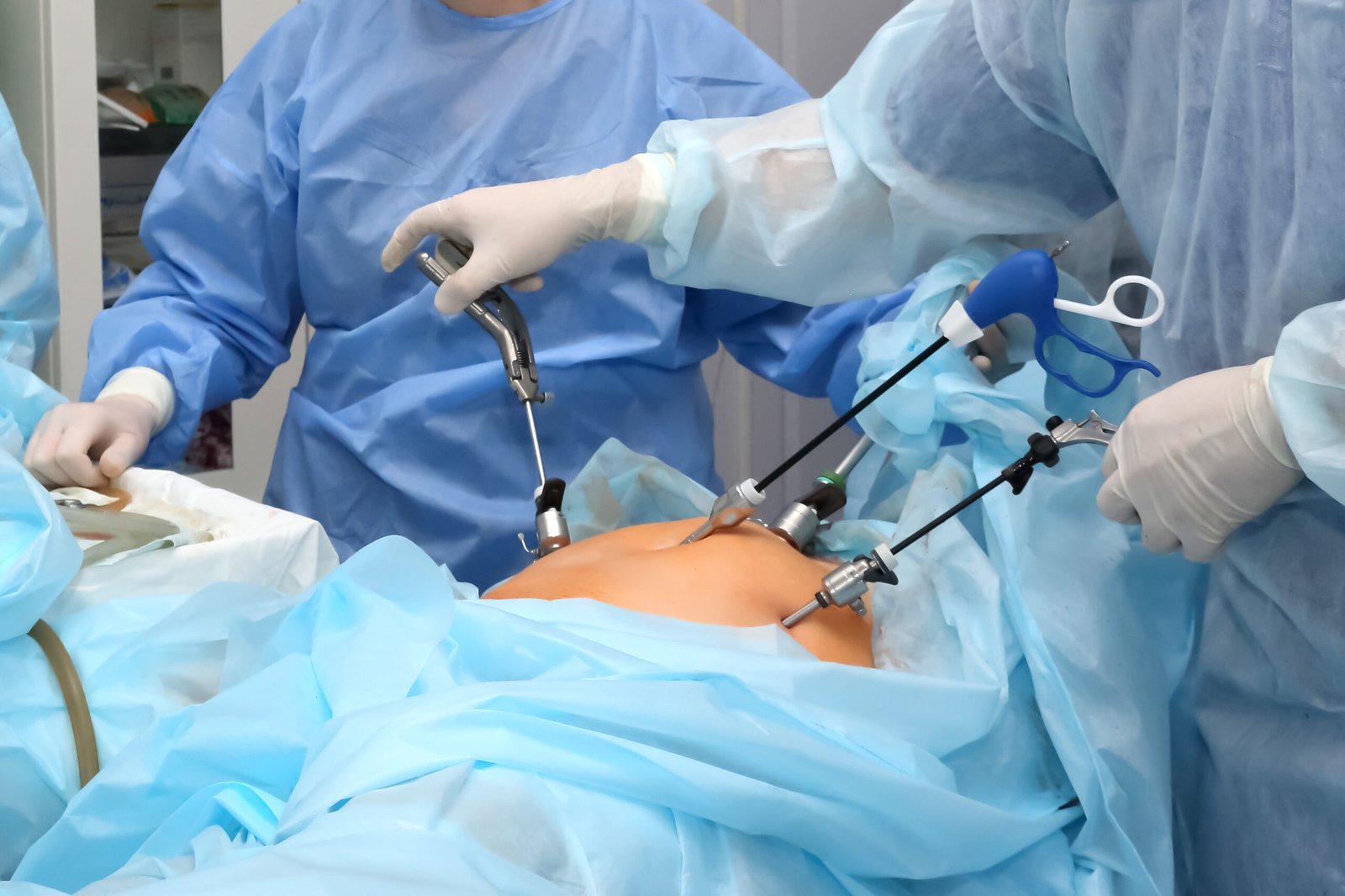
Laparoscopy is a minimally invasive surgical procedure. It uses a small camera inserted through a small incision in the abdomen. It can help a doctor examine the uterus, fallopian tubes, ovaries, and surrounding pelvic structures.
However, laparoscopy is not a routine test for every woman with infertility. Current fertility guidance recommends starting with appropriate, less invasive tests and considering laparoscopy when there is a specific reason to suspect pelvic disease or another condition that may benefit from surgical evaluation.
What Is Laparoscopy?
Laparoscopy is also known as keyhole surgery. During the procedure, a thin instrument with a camera is inserted through a small opening in the abdomen.
The camera allows the gynaecologist to examine pelvic structures without making a large abdominal incision.
Laparoscopy may help identify:
- Endometriosis
- Pelvic adhesions
- Some ovarian conditions
- Tubal abnormalities
- Certain pelvic structural problems
A dye test may also be performed during laparoscopy to assess whether the fallopian tubes are open.
Why Is Laparoscopy Used for Infertility?
Laparoscopy can provide information that may not be available through routine imaging.
For example, endometriosis or pelvic adhesions may sometimes be difficult to diagnose using ultrasound alone. Laparoscopy allows direct visualization of the pelvic area.
A gynaecologist may consider laparoscopy when your symptoms, medical history, examination, or previous fertility tests suggest a pelvic problem.
When Might a Gynaecologist Recommend Laparoscopy?
Laparoscopy may be considered when there is a specific clinical reason.
Suspected Endometriosis
Endometriosis can affect fertility. Symptoms may include painful periods, pelvic pain, pain during intercourse, or difficulty becoming pregnant.
Laparoscopy can help identify pelvic endometriosis and may allow treatment during the same procedure in selected cases.
Suspected Pelvic Adhesions
Previous pelvic infection or surgery can sometimes lead to adhesions. These bands of scar tissue may affect the reproductive organs.
Laparoscopy allows the pelvic area to be examined directly.
Possible Fallopian Tube Problems
Other tests such as HSG or ultrasound-based tests are generally used to assess tubal patency. Laparoscopy with chromopertubation can assess whether the tubes are open when laparoscopy is indicated for another reason.
Persistent Infertility With Other Findings
Your gynaecologist may consider laparoscopy when infertility continues and your history or test results suggest an underlying pelvic condition.
Is Laparoscopy a Routine Infertility Test?
No. Laparoscopy is not routinely recommended for unexplained infertility without another clinical indication. The American Society for Reproductive Medicine recommends an infertility evaluation that starts with appropriate, less invasive methods.
This is an important point for patients. Having infertility does not automatically mean that laparoscopy is necessary.
A qualified gynaecologist should consider your symptoms, age, fertility history, previous investigations, and treatment goals before recommending surgery.
What Happens Before Laparoscopy?
Before the procedure, your gynaecologist will review your medical and fertility history.
You may discuss:
- Previous pregnancies
- Duration of infertility
- Menstrual cycle pattern
- Pelvic pain
- Previous pelvic surgery
- Previous infections
- Results of ultrasound or HSG
- Current medications
- Previous fertility treatments
The doctor may also recommend other investigations before deciding whether surgery is appropriate.
What Happens During the Procedure?
Laparoscopy is usually performed under general anaesthesia.
A small incision is made in the abdomen. A camera is then inserted so the surgeon can examine the pelvic organs.
Depending on the reason for the procedure, the gynaecologist may assess:
- Uterus
- Ovaries
- Fallopian tubes
- Pelvic lining
- Areas around the reproductive organs
If a dye test is performed, dye is introduced through the cervix to check whether it can pass through the fallopian tubes.
If an abnormality is found, treatment may sometimes be performed during the same operation. The appropriate approach depends on the condition and the patient’s individual situation.
Conditions That May Be Treated During Laparoscopy
One advantage of laparoscopy is that diagnosis and treatment can sometimes happen during the same procedure.
Depending on the findings, laparoscopic surgery may be used to treat selected cases of:
- Endometriosis
- Pelvic adhesions
- Certain ovarian cysts
- Some tubal problems
- Selected fibroids
Laparoscopic treatment is not appropriate for every patient. The decision depends on the diagnosis, severity, fertility goals, and overall health.
Laparoscopy and Endometriosis
Endometriosis is an important condition to consider when infertility occurs alongside symptoms such as painful periods or chronic pelvic pain.
Laparoscopy allows direct examination of the pelvis and can identify endometriosis that may not be visible through routine imaging.
If endometriosis is found, treatment options can be discussed based on the severity of the disease and the patient’s plans for pregnancy.

Laparoscopy and Blocked Fallopian Tubes
The fallopian tubes provide a pathway for the egg and sperm to meet. Tubal problems can therefore affect fertility.
HSG and other less invasive tests are commonly used to assess tubal patency. Laparoscopy with dye testing may be used when laparoscopy is already indicated for another reason.
If a tubal problem is identified, your gynaecologist can discuss whether surgical treatment, fertility treatment, or another approach is more suitable.
Benefits of Laparoscopy for Infertility
When appropriately recommended, laparoscopy can provide several benefits.
Direct View of the Pelvis
The procedure allows the doctor to directly examine pelvic reproductive organs.
Detection of Certain Conditions
It can help identify conditions such as endometriosis and adhesions that may not be fully assessed through less invasive tests.
Possible Treatment During the Same Procedure
Some abnormalities can be treated during the operation when it is medically appropriate.
Tubal Assessment
Dye testing during laparoscopy can provide information about whether the fallopian tubes are open.
Are There Risks With Laparoscopy?
Although laparoscopy is minimally invasive, it is still surgery and has potential risks.
Possible complications can include:
- Bleeding
- Infection
- Injury to nearby organs
- Anaesthesia-related complications
- Blood clots
- Abdominal discomfort
Your doctor should explain the potential benefits and risks before surgery.
The decision to undergo laparoscopy should be based on your individual medical situation.
Recovery After Laparoscopy
Recovery varies depending on the type of procedure and whether additional treatment was performed.
You may experience:
- Mild abdominal discomfort
- Tiredness
- Bloating
- Shoulder discomfort from the gas used during surgery
Your healthcare team will provide specific instructions about activity, medication, wound care, and follow-up.
Recovery can take longer if a more extensive procedure is performed during laparoscopy.
Can Laparoscopy Improve Fertility?
The answer depends on the underlying condition.
If laparoscopy identifies a problem that can be treated surgically, treatment may improve the chances of pregnancy in selected patients. However, laparoscopy does not guarantee pregnancy.
For example, treatment decisions for endometriosis depend on disease severity, age, ovarian reserve, previous fertility treatment, and other fertility factors.
A gynaecologist or fertility specialist can explain what benefit surgery may provide in your particular case.
Laparoscopy vs Other Infertility Tests
Laparoscopy is only one part of fertility evaluation.
A complete assessment may include:
| Test | What It May Assess |
| Medical history | Fertility risks and previous conditions |
| Blood tests | Selected hormonal or medical conditions |
| Ultrasound | Uterus and ovaries |
| HSG | Fallopian tube patency and uterine cavity |
| Semen analysis | Male fertility factors |
| Laparoscopy | Direct assessment of pelvic structures |
The appropriate tests depend on the couple’s fertility history and medical needs. ASRM recommends evaluating ovulation, the female reproductive tract, and the male partner rather than focusing on one test alone.
Does Every Woman With Infertility Need Laparoscopy?
No.
This is one of the most important points to understand. Laparoscopy is not routinely recommended simply because pregnancy has not occurred.
A gynaecologist may recommend it when there is a suspected pelvic condition or another specific indication.
For women with unexplained infertility and no signs of pelvic disease, less invasive fertility evaluation and treatment options are generally considered first.
When Should You See a Gynaecologist for Infertility?
Infertility evaluation should not always be delayed for a full year.
For women under 35 who have regular unprotected intercourse without a known fertility problem, evaluation is generally recommended after 12 months. For women aged 35 or older, evaluation is generally recommended after six months. Earlier assessment may be appropriate when there are known risk factors or symptoms.
You may need earlier evaluation if you have:
- Irregular or absent periods
- Suspected endometriosis
- Previous pelvic infection
- Known tubal problems
- Previous pelvic surgery
- Recurrent pregnancy loss
- A known fertility condition
A gynaecologist can help determine the right time to begin testing.
Dr Sara Munir’s Approach to Infertility Care
Dr Sara Munir is an experienced gynaecologist providing women’s health and fertility-related care in Lahore.
With more than 16 years of clinical experience, she provides personalized consultations and evaluates patients based on their medical history, symptoms, fertility goals, and previous investigations.
For patients considering laparoscopy, an individualized assessment can help determine whether the procedure is appropriate or whether another fertility investigation should be considered first.
Women searching for an experienced gynaecologist in Lahore can learn more about Dr Sara Munir and her services through her official website.
Dr Sara Munir – Official Website
Questions to Ask Your Gynaecologist About Laparoscopy
Before deciding on laparoscopy, consider asking:
Why do I need laparoscopy?
Understanding the specific reason for surgery can help you make an informed decision.
Could another test provide the same information?
Your gynaecologist can explain whether ultrasound, HSG, or another test may be suitable.
What condition are you looking for?
Ask whether there is a concern about endometriosis, adhesions, tubal disease, or another condition.
Can treatment be performed during the same procedure?
In some cases, treatment may be possible during laparoscopy.
How long will recovery take?
Recovery depends on what is found and whether additional surgery is performed.
What are my fertility options after laparoscopy?
Your doctor can explain whether natural conception, medication, IUI, IVF, or another treatment may be appropriate.
Frequently Asked Questions
Is laparoscopy necessary for infertility?
No. Laparoscopy is not a routine infertility test. It is generally considered when there is a specific clinical reason to suspect pelvic disease or when surgery may provide useful diagnosis or treatment.
Can laparoscopy detect blocked fallopian tubes?
Laparoscopy with dye testing can assess whether the fallopian tubes are open. However, HSG and other less invasive tests are commonly used for initial assessment of tubal patency.
Can laparoscopy treat endometriosis?
Yes. In selected patients, laparoscopic surgery can be used to treat endometriosis. The decision depends on the patient’s symptoms, disease severity, fertility goals, and other factors.
Does laparoscopy guarantee pregnancy?
No. Laparoscopy may help identify or treat a condition affecting fertility, but it cannot guarantee pregnancy.
Is laparoscopy painful?
The procedure is performed under anaesthesia. Some abdominal discomfort, bloating, or tiredness can occur during recovery.
How long does it take to recover from laparoscopy?
Recovery varies according to the procedure performed. A simple diagnostic procedure may have a shorter recovery than surgery involving treatment of endometriosis, adhesions, or other conditions.
Who should I consult before having laparoscopy?
Consult a qualified gynaecologist or fertility specialist who can review your fertility history and determine whether laparoscopy is appropriate.
Conclusion
Laparoscopy can be a valuable tool in selected infertility cases. It allows a gynaecologist to directly examine the pelvic organs and may identify conditions such as endometriosis, adhesions, or tubal problems.
However, it is not required for every woman experiencing infertility. A proper fertility evaluation should begin with an assessment of both partners and appropriate less invasive tests. Laparoscopy should be considered when there is a specific medical reason for the procedure.
If you are experiencing difficulty conceiving, consult an experienced gynaecologist to understand the possible causes and the tests that may be suitable for you.
For women looking for an experienced gynaecologist in Lahore, Dr Sara Munir offers personalized fertility and women’s healthcare services.
Medical Disclaimer: This article is for general educational purposes and does not replace an individual medical consultation. The need for laparoscopy and any fertility treatment should be determined by a qualified healthcare professional after reviewing your medical history and test results.