
Infertility is a problem that affects millions of couples around the world. It can also be stressful for those who want to start a new family. Consult a qualified gynecologist if you are unable to get pregnant despite having regular, unprotected sexual relations. An in-depth fertility evaluation can help identify the potential causes of infertility, …

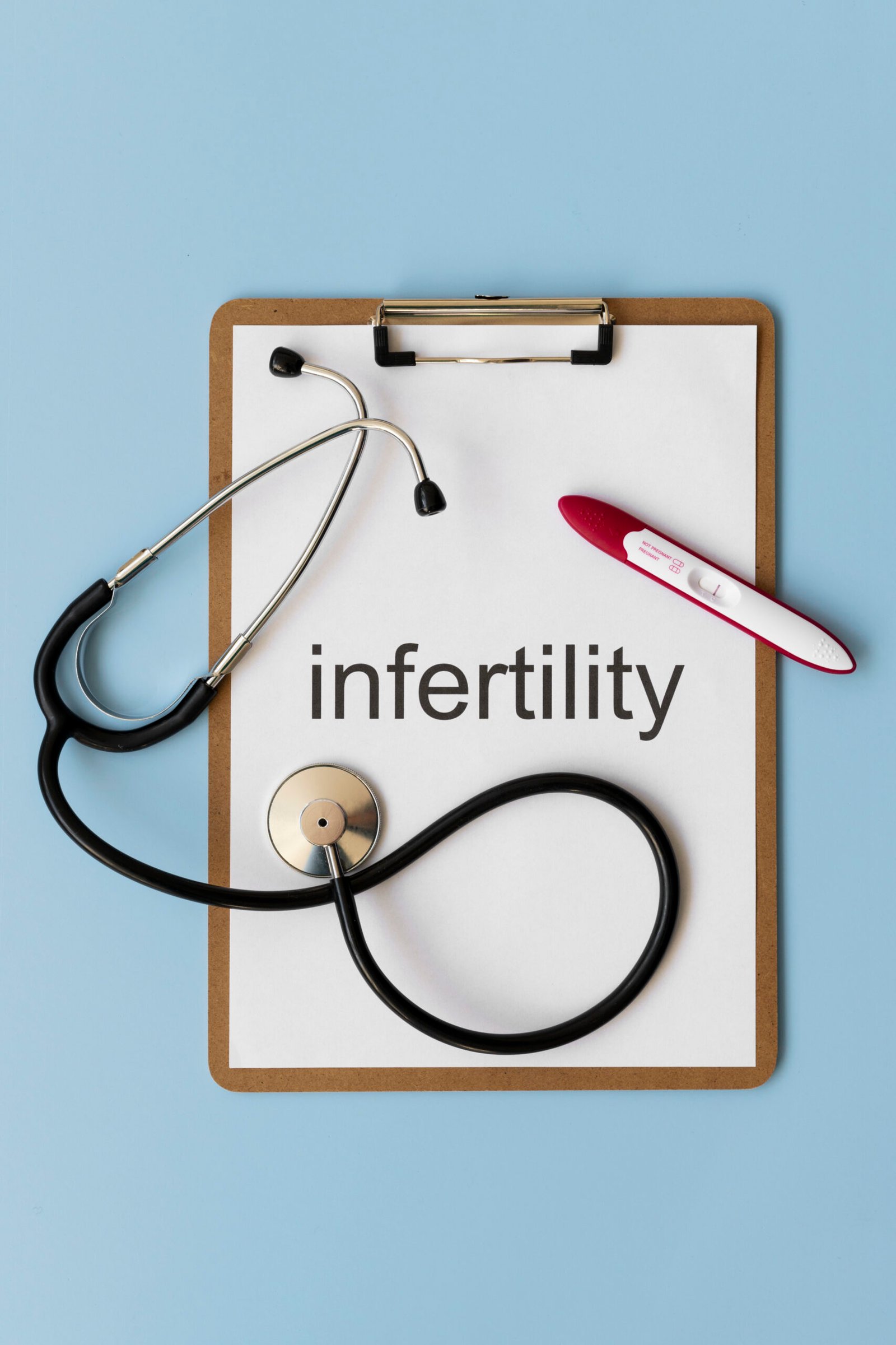
Infertility is a problem that affects millions of couples around the world. It can also be stressful for those who want to start a new family. Consult a qualified gynecologist if you are unable to get pregnant despite having regular, unprotected sexual relations.
An in-depth fertility evaluation can help identify the potential causes of infertility, and guide treatment decisions. Understanding infertility testing can help patients prepare for consultations.
Most couples who are seeking fertility treatment look for a gynecologist with experience, who can offer comprehensive testing, an accurate diagnosis, as well as individualized treatment plans. Dr Sara Munir in Lahore provides reproductive health care and fertility evaluations tailored to the needs of each patient.
What Is Infertility?
Infertility is generally defined as the inability to achieve pregnancy after:
- One year of regular unprotected intercourse for women under 35
- Six months of regular unprotected intercourse for women aged 35 and above
A gynaecologist evaluates both female and male factors because infertility can involve either partner or a combination of factors.
Why Are Infertility Tests Important?
Infertility testing helps identify the underlying cause of difficulty conceiving. Early diagnosis can improve treatment outcomes and reduce unnecessary delays.
A gynaecologist may recommend fertility testing to:
- Assess reproductive health
- Identify hormonal imbalances
- Evaluate ovulation
- Detect uterine abnormalities
- Check fallopian tube function
- Investigate male fertility factors
The results allow a gynaecologist to create a targeted treatment plan.

When Should You Visit a Gynaecologist for Fertility Concerns?
You should consider scheduling an appointment with a gynaecologist if:
- Pregnancy has not occurred after one year of trying
- You are over age 35 and have been trying for six months
- Menstrual cycles are irregular
- You have a history of miscarriage
- You have known reproductive health conditions
- You experience pelvic pain or abnormal bleeding
Early consultation with a gynaecologist can help identify issues before they become more difficult to manage.
Infertility Tests for Women
1. Medical History Assessment
The first step is a detailed review of your medical history.
A gynaecologist may discuss:
- Menstrual cycle patterns
- Previous pregnancies
- History of miscarriage
- Surgical history
- Family history
- Lifestyle factors
This information helps determine which tests may be needed.
2. Physical and Pelvic Examination
A physical examination allows the gynaecologist to assess overall reproductive health.
The examination may identify:
- Pelvic abnormalities
- Signs of hormonal imbalance
- Uterine enlargement
- Ovarian concerns
3. Ovulation Testing
Ovulation is essential for pregnancy.
Tests may include:
- Progesterone blood tests
- Ovulation predictor kits
- Basal body temperature tracking
A gynaecologist uses these tests to determine whether ovulation occurs regularly.
4. Hormone Testing
Hormonal imbalances can affect fertility.
Common hormone tests include:
- Follicle-stimulating hormone (FSH)
- Luteinizing hormone (LH)
- Thyroid function tests
- Prolactin levels
- Estrogen levels
- Progesterone levels
These tests help a gynaecologist identify endocrine conditions that may interfere with conception.
5. Anti-Müllerian Hormone (AMH) Test
The AMH test evaluates ovarian reserve.
This test helps estimate:
- Egg quantity
- Reproductive potential
- Fertility treatment planning
Many fertility specialists use AMH testing as part of a complete fertility assessment.
6. Pelvic Ultrasound
Ultrasound is one of the most common fertility investigations.
A gynaecologist may use ultrasound to evaluate:
- Ovaries
- Uterus
- Endometrial lining
- Ovarian cysts
- Fibroids
Ultrasound provides important information about reproductive anatomy.
7. Hysterosalpingography (HSG)
An HSG is an imaging test used to examine the uterus and fallopian tubes.
This test can detect:
- Blocked fallopian tubes
- Uterine abnormalities
- Structural issues affecting fertility
Many fertility evaluations include HSG testing.
8. Hysteroscopy
Hysteroscopy allows direct visualization of the inside of the uterus.
A gynaecologist may recommend hysteroscopy to investigate:
- Polyps
- Fibroids
- Scar tissue
- Congenital uterine abnormalities
9. Laparoscopy
In some situations, minimally invasive surgery may be recommended.
Laparoscopy can help diagnose:
- Endometriosis
- Pelvic adhesions
- Tubal disease
- Ovarian disorders
This procedure is generally reserved for selected cases.
Infertility Tests for Men
Successful conception requires evaluation of both partners.
Semen Analysis
A semen analysis is often the first test recommended for male fertility evaluation.
The test measures:
- Sperm count
- Sperm movement
- Sperm shape
- Semen volume
Male factors contribute to infertility in many couples.
Hormonal Testing
Hormone evaluation may include:
- Testosterone
- FSH
- LH
- Prolactin
Abnormal hormone levels can affect sperm production.
Additional Male Fertility Testing
Depending on results, further testing may include:
- Ultrasound imaging
- Genetic testing
- Specialized sperm function studies
Questions to Ask Your Gynaecologist About Infertility
Before your appointment, consider asking:
What fertility tests do I need?
Testing recommendations vary based on age, medical history, and symptoms.
Could a hormonal imbalance be affecting fertility?
Hormonal disorders are a common cause of infertility.
Are my fallopian tubes open?
Tubal blockage can prevent pregnancy despite normal ovulation.
Do I need fertility treatment?
Treatment depends on the cause identified during testing.
How long will the fertility evaluation take?
Most initial investigations can be completed within a few weeks.
What lifestyle changes may improve fertility?
Healthy habits often support reproductive health.
Common Causes of Infertility
A gynaecologist may investigate several potential causes.
These include:
- Ovulation disorders
- PCOS
- Endometriosis
- Blocked fallopian tubes
- Uterine abnormalities
- Thyroid disorders
- Male factor infertility
- Age-related fertility decline
Identifying the cause is essential for successful treatment planning.
How Dr Sara Munir Supports Fertility Evaluation
Dr Sara Munir provides comprehensive reproductive health assessments for women seeking answers about infertility.
Her approach includes:
- Detailed fertility consultation
- Medical history review
- Diagnostic testing recommendations
- Ovulation assessment
- Pregnancy planning guidance
- Personalized treatment strategies
Patients looking for a gynaecologist in Lahore often seek experienced, compassionate care that focuses on accurate diagnosis and patient education.
Through structured fertility evaluations, Dr Sara Munir helps patients better understand their reproductive health and available treatment options.
For more information or to schedule a consultation, visit:
Tips Before Fertility Testing
To prepare for your evaluation:
- Bring previous medical records
- Track menstrual cycles
- List current medications
- Record previous pregnancies or miscarriages
- Prepare questions for your gynaecologist
Good preparation can help make fertility consultations more productive.
Frequently Asked Questions
What is the first infertility test recommended by a gynaecologist?
The first step is usually a detailed medical history review followed by hormone testing and ultrasound evaluation.
How long should I try before seeing a gynaecologist?
Most women under 35 should seek evaluation after one year of trying. Women over 35 should consider evaluation after six months.
Is infertility always caused by women?
No. Male factors contribute to many infertility cases, which is why both partners should be evaluated.
Is fertility testing painful?
Most fertility tests involve blood work and ultrasound imaging. Some procedures may cause temporary discomfort.
Can infertility be treated?
Many causes of infertility can be managed successfully through medication, procedures, or assisted reproductive techniques.
Does age affect fertility?
Yes. Fertility naturally declines with age, especially after age 35.
Conclusion
Infertility tests are an important tool for identifying reproductive factors and understanding reproductive health. An experienced gynaecologist’s comprehensive evaluation can help provide answers and guide treatment decisions.
Women and couples who seek fertility assessment in Lahore will receive personalized care, based on evidence, and a thorough diagnostic evaluation. Dr Sara Munir offers patient-centered reproductive services to help women and couples better understand their fertility.